Hedge Cutter Sharpening Service: 5 Signs Your Trimmer Blades Need Professional Help

Your hedge trimmer is one of your most essential gardening tools, but like any cutting instrument, its blades don't stay sharp forever. Whether you're maintaining perfectly manicured hedges or tackling overgrown shrubs, dull blades can turn a satisfying afternoon of yard work into a frustrating battle against stubborn branches.
I've been sharpening garden tools for years here in Seattle, and I see the same story over and over: homeowners struggling with their hedge trimmers, not realizing their blades are the problem. The good news? Once you know what to look for, it's easy to spot when your trimmer needs professional attention.
Here are the five telltale signs that your hedge trimmer blades need professional sharpening – and why ignoring them could damage both your plants and your equipment.
1. Your Trimmer Tears and Rips Instead of Making Clean Cuts
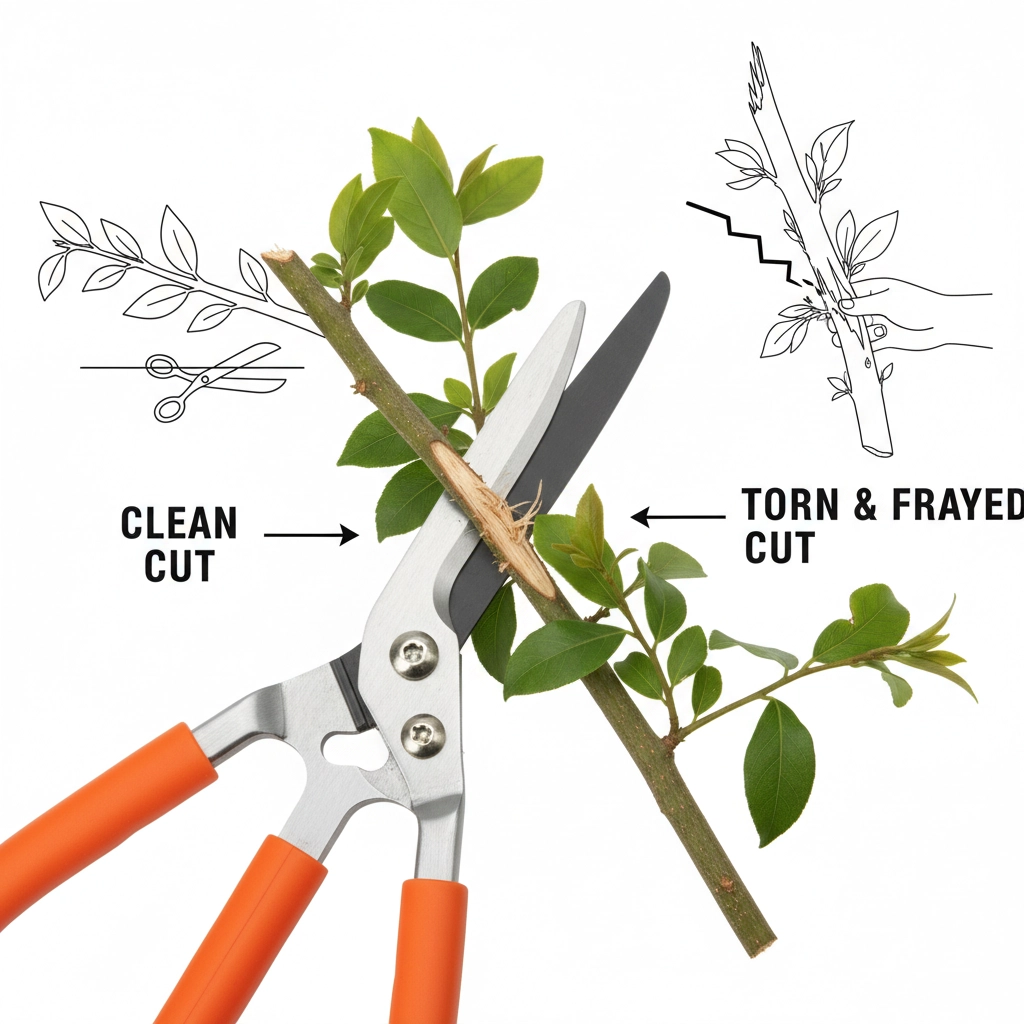
This is the most obvious red flag, and honestly, it's the one that drives me crazy to see. When your hedge trimmer is working properly, it should slice through branches like a hot knife through butter. Instead, you're probably noticing that branches are getting mangled, torn, or shredded rather than cut cleanly.
Here's why this matters more than you might think. When plants are torn instead of cut, you're essentially creating wounds that are wide open to disease and decay. Clean cuts heal quickly and naturally, but ragged tears become entry points for bacteria, fungi, and pests. Your beautiful hedges could end up diseased or dying, all because of dull blades.

I had a customer last month who brought in her trimmer after noticing her boxwood hedges were turning brown along the edges. She thought it was a plant disease, but one look at her blades told the whole story. The cutting edges were so dull they were basically hammering the branches instead of cutting them.
If you're having to make multiple passes over the same branch, or if you're seeing frayed, crushed plant material instead of clean cuts, your blades need professional attention immediately.
2. You're Seeing Uneven and Frayed Branch Edges
Take a close look at your hedge after trimming. Do the cut ends look neat and uniform, or do they look like they've been chewed by an angry beaver? Frayed, uneven edges are a dead giveaway that your blades have lost their edge.
When blades are sharp, they create what we call a "shear cut" – a smooth, angled slice that seals naturally. Dull blades create a "crush cut" that damages the plant's vascular system and leaves those telltale frayed edges.
Here's a quick test you can do right now: grab a piece of paper and try to cut it with your hedge trimmer (carefully!). Sharp blades will slice through cleanly, while dull blades will either tear the paper or fail to cut it entirely.
Professional sharpening restores that precise cutting edge, giving you the clean, even cuts that keep your plants healthy and your landscape looking professional.
3. There Are Excessive Gaps Between Your Blades
This one requires a closer inspection of your trimmer itself. Look at the tips of your blades where they come together. In a properly maintained hedge trimmer, the upper and lower blades should meet closely with minimal gaps.
If you can see significant spaces between the blades – especially at the tips where most of your cutting happens – they're not going to work efficiently. Think of it like trying to cut with a pair of scissors that don't close properly. You might get some cutting action, but it's going to be sloppy and ineffective.

Large gaps between blades often develop gradually through normal use and wear, but they can also indicate that previous sharpening attempts removed too much material or weren't done correctly. This is exactly why professional sharpening matters – we know how to restore the proper blade geometry without compromising the tool's integrity.
4. Your Trimmer Struggles to Cut Through Branches It Used to Handle Easily
Remember when your hedge trimmer could power through small branches without hesitation? If you're now finding yourself pushing harder, making multiple attempts, or avoiding certain branches altogether, your blades have definitely dulled beyond acceptable limits.
This progressive loss of cutting power is often so gradual that many people don't notice it happening. You unconsciously start avoiding thicker branches, work around problem areas, or just accept that trimming takes longer than it used to.
But here's the thing: a well-maintained hedge trimmer should handle its rated branch diameter effortlessly. Most quality trimmers are designed to cut branches up to ¾ inch thick cleanly and efficiently. If yours is struggling with anything over ¼ inch, it's time for professional sharpening.
I always tell customers to think about their trimmer like a kitchen knife. You wouldn't struggle through dinner prep with a dull knife, so why battle your hedges with dull trimmer blades?
5. You Can See Visible Damage or Excessive Blade Wear
Sometimes the problem is obvious just from looking at your blades. Nicks, dents, chips, or bent sections are clear signs that your trimmer needs professional attention. But even if there's no obvious damage, excessive wear can be just as problematic.
Over time, repeated sharpening (especially DIY attempts) can thin out the blade material. If your blades look noticeably thinner or more pointed than they should, they may be nearing the end of their useful life.

Here's what I look for when evaluating blade condition:
- Deep nicks or chips that can't be sharpened out
- Bent or twisted blade sections that affect alignment
- Excessive thinning from over-sharpening
- Rust or corrosion that compromises blade integrity
- Missing teeth on reciprocating blade models
Sometimes blades can be restored with professional sharpening, but sometimes they need replacement. A good sharpening service will give you an honest assessment of whether sharpening is worthwhile or if replacement is the better option.
Why Professional Sharpening Beats DIY Attempts
I get it – there are plenty of YouTube videos and online guides showing how to sharpen hedge trimmer blades yourself. And yes, basic maintenance like cleaning and oiling can definitely be done at home. But when it comes to actual sharpening, here's why professional service makes all the difference.
Proper angle restoration is crucial for effective cutting. Each blade has a specific bevel angle that needs to be maintained for optimal performance. Too steep, and the blade won't penetrate effectively. Too shallow, and the edge won't hold up to regular use.
Material removal balance is another critical factor. Remove too little material and you don't solve the dullness problem. Remove too much and you shorten the blade's lifespan significantly. Professional sharpening removes just enough material to restore the cutting edge while preserving as much blade life as possible.
Blade alignment often gets overlooked in DIY sharpening attempts. Even if you manage to sharpen both blades, if they're not properly aligned, you'll still get poor cutting performance and premature re-dulling.
The Hidden Costs of Ignoring Dull Blades
Beyond the frustration of poor cutting performance, dull hedge trimmer blades can actually cost you money in several ways:
Plant replacement costs add up quickly when poor cuts lead to disease and plant death. A few professional sharpenings per year cost far less than replacing damaged hedges.
Equipment damage accelerates when you're forcing dull blades through resistant material. Motors work harder, components wear faster, and you may end up needing repairs or replacement sooner than necessary.
Time waste is probably the biggest hidden cost. Tasks that should take 30 minutes stretch to hours when you're battling dull blades. Your time has value – professional sharpening helps you reclaim it.
When to Seek Professional Help
As a general rule, hedge trimmer blades should be professionally sharpened at least once per season with regular use. Heavy users might need sharpening twice per year, while occasional users might stretch it to every other year.
But don't just go by the calendar – pay attention to the signs we've discussed. The moment you notice tearing cuts, frayed edges, or increased effort requirements, it's time to bring your trimmer in for service.
At Sharper Tools, we see hedge trimmers in all conditions, from slightly dull to completely destroyed. The earlier you catch the problem, the better the results and the longer your blades will last. We can usually turn around hedge trimmer sharpening in 24-48 hours, so you won't be stuck with half-trimmed hedges for weeks.
If you're in the Seattle area and recognizing any of these signs in your hedge trimmer, don't let it get worse. Check out our garden tools sharpening services or give us a call to discuss your specific needs. Your hedges (and your sanity) will thank you for it.
Sharp blades make all the difference between frustrating yard work and satisfying results. When your tools are working properly, you can focus on creating the beautiful landscape you want instead of wrestling with equipment that's fighting you every step of the way.